
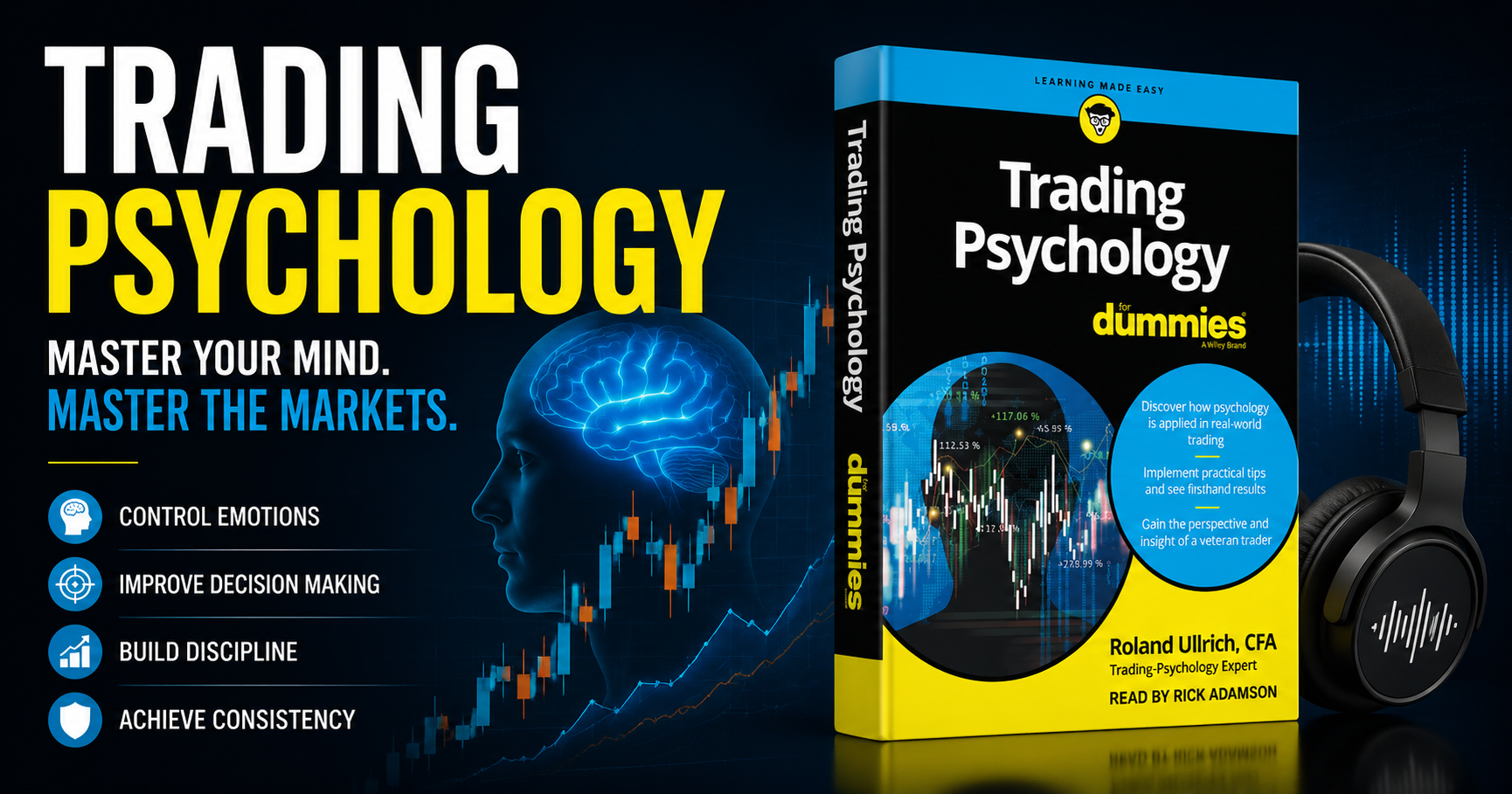
Most options traders think their biggest problem is strategy.
They spend months looking for better indicators, more accurate entry signals, and the perfect setup. Yet many still struggle to trade consistently.
The reason is simple.
A strategy can only take you so far. Without the right mindset, even the best trading system can fail.
That’s why trading psychology for options traders is just as important as technical analysis. The market tests your emotions every day, and how you respond often determines whether you make or lose money.
Why Trading Psychology Matters
Many traders believe success comes from finding a strategy that never loses.
In reality, no strategy wins every trade. What separates consistent traders from everyone else is their ability to follow a plan, manage risk, and stay disciplined even when emotions run high.
A simple strategy executed consistently will often outperform a complex strategy driven by fear or greed.
That’s because successful trading isn’t about predicting every market move. It’s about making good decisions over and over again.
Common Psychological Mistakes Options Traders Make
Every trader experiences emotions while trading. The key is recognizing them before they affect your decisions.
Fear of Missing Out (FOMO)
FOMO causes traders to enter positions because they don’t want to miss a move. Instead of waiting for a planned setup, they buy after prices have already climbed or sell after the market has already dropped.
These emotional entries usually lead to poor risk-to-reward trades. By the time many traders get involved, the opportunity has often passed.
Experienced traders understand that another setup will always come. Missing one trade is better than forcing a bad one.
Refusing to Accept Losses
One of the hardest lessons in options trading is accepting when you’re wrong. Many traders hold losing positions because they believe the market will eventually recover instead of following their exit plan.
The problem is that hope often replaces discipline. What starts as a small loss can quickly grow into a much larger one when emotions take over.
Successful traders understand that losses are part of trading. They don’t try to avoid every losing trade—they focus on keeping losses small so one mistake doesn’t damage their account.
No strategy wins every time. Long-term success comes from managing risk consistently, not from being right on every trade.
Revenge Trading
After taking a loss, it’s tempting to jump into another trade to earn the money back. This emotional response is known as revenge trading, and it often leads to even bigger losses.
Traders may increase their position size, ignore their trading rules, or take setups they normally wouldn’t consider. Instead of recovering, they usually compound their mistakes.
The best traders know when to step away. A short break after a losing trade can prevent emotional decisions and help you return with a clear mindset.
Taking Profits Too Early
Many traders are quick to lock in small gains because they’re afraid the market will reverse. While taking profits feels good, consistently exiting winners too early can hurt long-term performance.
A trading plan should include both entry and exit rules. Sticking to those rules allows your winning trades enough room to offset the inevitable losses that come with trading.
Why Options Trading Is More Emotional
Options trading creates unique psychological challenges.
Leverage can magnify both gains and losses, making every price movement feel more significant. Time decay adds pressure because option contracts lose value as expiration approaches, while volatility can cause premiums to rise or fall quickly.
These factors make emotional discipline even more important. A trader who abandons their plan after every market swing will struggle to stay consistent, regardless of how good their strategy is.
How to Improve Your Trading Psychology
Developing a stronger mindset takes practice, but a few simple habits can make a big difference.
Start by creating a written trading plan before entering any position. Decide where you’ll enter, where you’ll exit, and how much you’re willing to risk. Making these decisions in advance reduces emotional decision-making during the trade.
Keeping a trading journal is another valuable habit. Reviewing your trades helps you identify patterns, spot recurring mistakes, and improve your decision-making over time.
Risk management is equally important. Many experienced traders risk only a small percentage of their account on each trade. Knowing that one losing position won’t significantly damage your account makes it much easier to stay disciplined.
Finally, judge your performance over dozens or even hundreds of trades instead of focusing on individual wins or losses. Consistency matters far more than any single outcome.
Think Like a Casino, Not a Gambler
Casinos don’t expect to win every hand.
They know they’ll lose individual games, but they trust their statistical edge over thousands of outcomes.
Options traders should adopt the same mindset. Every trade is just one event in a long series of trades.
Instead of asking, “Will this trade win?”, ask yourself, “Did I follow my trading plan?”
Focusing on execution instead of outcomes helps remove emotion from the decision-making process and leads to greater consistency over time.
A Book Every Options Trader Should Read
One of the most recommended books on trading psychology is Trading in the Zone by Mark Douglas.
The book explains why traders struggle with fear, hesitation, overconfidence, and emotional decision-making. More importantly, it teaches readers how to think in probabilities instead of certainties.
The lessons apply to every type of trader, but they’re especially valuable for options traders, where leverage and volatility can magnify emotional reactions.
If you’re serious about improving your trading psychology for options traders, this book is an excellent place to start.
Final Thoughts
Improving your trading psychology for options traders won’t guarantee that every trade is a winner, but it can help you become more consistent over time.
Strategies create opportunities, but discipline determines whether you execute them correctly. Learning to control your emotions, manage risk, and trust your trading plan can have a greater impact on your results than constantly searching for a new strategy.
If fear, FOMO, revenge trading, or hesitation continue to affect your performance, investing in your mindset may be the best trade you ever make.
Ready to become a more disciplined trader?
Listen to Trading in the Zone by Mark Douglas and start building the mindset that successful options traders rely on every day.